
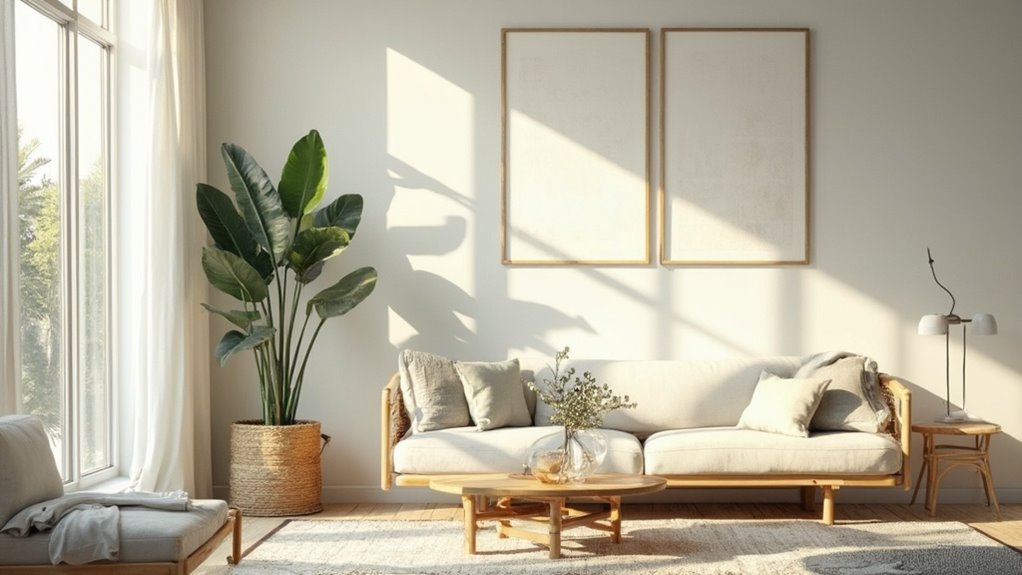
Starting a green minimalist lifestyle combines intentional living with environmental consciousness. You'll need to evaluate your current consumption habits, declutter responsibly, and make mindful choices about future purchases. Begin by auditing your possessions, creating a sustainable capsule wardrobe, and replacing single-use items with eco-friendly alternatives. Focus on quality over quantity whilst supporting ethical brands and implementing zero-waste practises. This journey towards sustainable minimalism offers countless opportunities to transform your relationship with both possessions and the planet.
Understanding Green Minimalism and Its Core Values
Whilst minimalism focuses on living with less, green minimalism takes this philosophy a step further by combining intentional living with environmental consciousness.
One finds that this eco-friendly philosophy emphasises not just decluttering, but making mindful choices that benefit both oneself and the planet.
At its core, green minimalism rests on three fundamental values: reducing consumption, choosing quality over quantity, and prioritising sustainable living practices.
One is encouraged to question each purchase's environmental impact and long-term necessity.
This approach transforms one's relationship with material possessions whilst helping develop a deeper connection to environmental stewardship.
Decluttering With Environmental Responsibility
Adopting green minimalism begins with responsible decluttering – a process that extends beyond simply discarding unwanted items.
You'll need to evaluate each possession's environmental impact whilst determining its future destination. Start by sorting items into distinct categories: keep, donate, recycle, and repurpose.
For items you're keeping, invest in sustainable storage solutions made from bamboo, recycled materials, or reclaimed wood.
When donating, research eco-friendly donation centres that properly distribute or recycle goods, preventing them from ending up in landfills. You'll find that many organisations specialise in specific items like electronics, clothing, or furniture.
Before discarding anything, assess creative ways to repurpose items.
That old chest of drawers might become a garden planter, whilst glass jars can transform into storage containers, extending their lifecycle and reducing waste.
Creating a Sustainable Capsule Wardrobe
As one shifts to a greener lifestyle, establishing a sustainable capsule wardrobe serves as a cornerstone of mindful consumption. One should focus on versatile pieces made from sustainable fabrics like organic cotton, hemp, and Tencel that will last for years.
When selecting items, research ethical brands that prioritise fair labour practices and eco-friendly production methods.
To build your sustainable capsule wardrobe effectively:
- Start with a thorough audit of your existing clothes, keeping only items you wear regularly and that coordinate well with others.
- Choose a cohesive colour palette that allows for maximum outfit combinations.
- Invest in high-quality basics that can adapt between seasons and occasions.
Minimizing Household Waste and Plastic
Beyond sustainable fashion choices, the path to an eco-conscious lifestyle leads directly to your household's waste management practices. You'll find that embracing zero waste principles transforms your daily routines into mindful actions that benefit both your space and the planet.
| Action | Impact | Timeline |
|---|---|---|
| Refuse single-use | Immediate reduction | Daily |
| Bulk shopping | Less packaging | Weekly |
| Composting basics | Soil enrichment | Monthly |
| Glass containers | Plastic elimination | One-time |
| DIY cleaners | Chemical reduction | Bi-monthly |
Start by auditing your rubbish output. You'll notice patterns in your consumption habits that can be modified through simple switches: replacing carrier bags with reusable ones, storing food in glass containers, and implementing composting basics in your kitchen. These changes don't require perfection – they're about progress and creating sustainable habits that stick.
Mindful Consumption and Eco-Friendly Shopping
When you embrace mindful consumption, your shopping habits naturally evolve towards sustainable choices that extend beyond the till.
You'll find yourself gravitating towards ethical brands that align with your values whilst developing a deeper appreciation for sustainable materials like organic cotton, hemp, and recycled polyester.
Transform your shopping experience by following these essential practices:
- Research brands thoroughly before purchasing, focusing on their environmental impact and labour practices.
- Choose quality over quantity, investing in durable items that won't need frequent replacement.
- Ask yourself if each potential purchase truly adds value to your life or if it's driven by momentary desire.
Your thoughtful approach to consumption won't just benefit the environment – it'll create a more meaningful relationship with your possessions whilst supporting businesses that share your commitment to sustainability.
Simple Living in a Digital World
While technology offers countless benefits, maintaining digital minimalism requires intentional boundaries and mindful usage patterns. You'll find peace by regularly performing a digital detox and clearing virtual clutter that drains your energy and attention. Start by unsubscribing from unnecessary emails, organising your files, and deleting unused apps.
| Digital Area | Impact | Action Steps |
|---|---|---|
| Social Media | Time drain | Set usage limits |
| Email inbox | Mental clutter | Daily cleanup |
| Device storage | System slowdown | Regular purge |
Consider designating tech-free zones in your home and setting specific times for device usage. This intentional approach helps you maintain focus whilst still benefiting from digital tools. Remember, the goal isn't to eliminate technology but to create a balanced relationship that supports your minimalist lifestyle.
Building Green Habits That Last
Although adopting eco-friendly practices may seem challenging at first, creating lasting green habits doesn't require radical lifestyle changes.
You'll find success by gradually integrating sustainable routines into your daily life, making small adjustments that align with your values and lifestyle.
Start with these foundational steps to build lasting environmental habits:
- Begin habit tracking through a simple journal or app, monitoring your progress in areas like water usage, energy consumption and waste reduction.
- Connect your green practices to existing routines – for example, pair recycling with your morning tea ritual.
- Focus on one sustainable change at a time, allowing each new habit to become automatic before adding another.
Frequently asked questions
How Do I Convince My Family Members to Adopt a Green Minimalist Lifestyle?
Start gentle family discussions about environmental impact and highlight personal benefits. Show, don't tell – let your positive changes inspire them. Use persuasive strategies like sharing cost savings and health improvements you've experienced whilst living more sustainably. Focus on how making environmentally conscious choices has benefitted your household finances and wellbeing. Share the positive impact of decluttering and choosing eco-friendly alternatives, such as reducing energy bills through proper home insulation and draught-proofing. Mind you don't become preachy; rather, demonstrate through your own lifestyle choices how living sustainably can be both practical and fulfilling.
Can Green Minimalism Be Affordable for People With Limited Financial Resources?
Green minimalism is absolutely accessible on a limited budget. Begin with no-cost solutions like decluttering, then explore sustainable alternatives at charity shops and car boot sales. Many budget-friendly choices, such as reusing items, actually save you money in the long-term whilst reducing waste.
What Are the Best Plants to Grow in a Minimalist Home?
For your indoor gardening journey, you'll thrive with low-maintenance plants like snake plants, pothos, ZZ plants, and peace lilies. They're perfect companions that purify the air whilst requiring minimal attention in your space.
How Do I Balance Minimalism With Keeping Sentimental Family Heirlooms?
The most cherished pieces can be curated into meaningful heirloom displays that align with minimalism. Keep other sentimental items thoughtfully in designated storage, rotating them seasonally to maintain both simplicity and family connexions.
Is It Possible to Practice Green Minimalism While Living With Roommates?
Yes, you can embrace green minimalism with flatmates! Focus on managing your personal items whilst inspiring eco-friendly habits in shared spaces. Lead by example and communicate openly about sustainable practises you'd like to implement together.